Last year we organized a trial boat trip on the River Lea to understand the nature of east London from a different perspective. It was a successful trip and those taking part were enthralled with the various views.
We are now in another year in which The East London Garden Society aims to remain a prominent voice. In 2026 we plan to have another boat trip, with the hope of making it a regular event.
Our intention is to encourage people of all generations to gain the most from our parks, gardens and waterways which are so special in east London.
If you value having someone campaign on your behalf to protect the environment and having access to useful articles about gardening and local environmental matters, please make a donation to help us with the cost of maintaining The East London Garden Society.
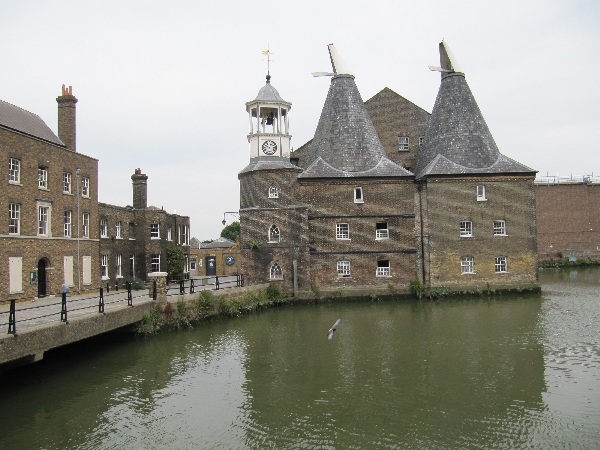
In and around Bow, in London’s East End, the River Lea once split up into numerous tributaries separated by marshland.
The Lea flows down to the Thames from Luton and even today there are a confusing number of backwaters, canals, canalised rivers, creeks, cuts, tidal inlets, and marshes between Stratford and Limehouse.
This walk dips its toe into the area, and, as always, checks accessibility for those explorers in wheelchairs and baby buggies/push-chairs.
Read More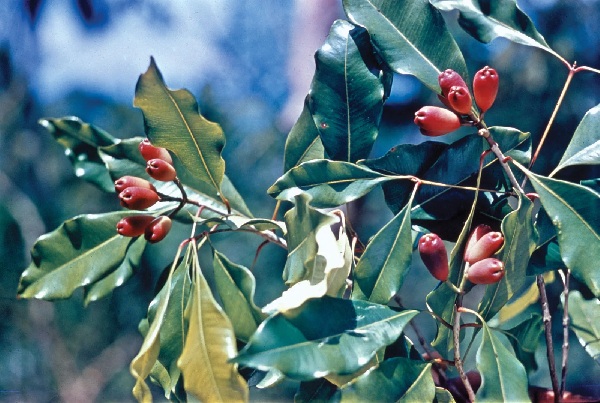
As early as 200 BC, envoys from Java to the Han dynasty court of China brought cloves that were customarily held in the mouth to perfume one’s breath during audiences with the emperor.
By the 10th to 12th centuries, cloves were already being traded in Ceylon (now Sri Lanka), as evidenced by archaeological finds at the ancient port of Mantai. Sri Lanka played a key role in the Indian Ocean spice trade, sourcing cloves from Southeast Asia and trading them with India, the Roman Empire, and Arabia.
During the late Middle Ages, cloves were used in Europe to preserve, flavour, and garnish food. The Portuguese discovered their origin in the Moluccas in the 16th century and controlled their trade for nearly a century before the Dutch took over in the 17th century, restricting cultivation to only the Amboina (now Ambon, Indonesia) and Ternate islands in order to create scarcity and sustain high prices.
In the late 18th century the French smuggled cloves from the East Indies to Indian Ocean islands and to the New World (Americas), breaking the Dutch monopoly. According to a 2021 report, Indonesia is the world’s largest producer of cloves, followed by Madagascar, Comoros, Tanzania, and Sri Lanka.
Clove buds are a reddish-brown flower buds of the clove tree (Syzygium aromaticum). The clove tree is an evergreen that grows to about 25 to 40 feet in height. Its gland-dotted leaves are small, simple, and opposite.
The trees are usually propagated from seeds that are planted in shaded areas. Flowering begins around the fifth year; a tree can yield up to 34 kg of dried buds annually. The buds are hand-picked in late summer and again in winter and then sun-dried. Cloves vary in length from about 0.5 to 0.75 inches.
The buds contain 14 to 20 percent essential oil, the principal component of which is the aromatic oil eugenol. Cloves are strongly pungent owing to eugenol, which is extracted by distillation to yield oil of cloves.
Cloves are used in food, medicine, and personal care, either whole, ground, as oleoresins (plant extracts used as a flavouring agent), or as essential oils. In cooking, they are a key ingredient in spice blends, enhance the flavour of baked goods, and serve as a natural preservative.
Medicinally, cloves aid digestion, reduce bloating, and relieve nausea and vomiting. They are used to soothe sore throats, suppress coughing, and numb toothaches. Clove oil is used in temporary dental fillings, and when applied externally it can help ease headaches and muscle pain.
Industrially, clove oil is found in toothpaste, mouthwash, antiseptics, perfumes, and soaps. Eugenol has antibacterial, antifungal, and antiviral properties, including effectiveness against MRSA bacteria. It is also used in the flavouring component of vanilla and as a sweetener or flavour enhancer.
The East London Garden Society would like you to enjoy what is on your doorstep, and experience the history and nature of east London. So, on the 30 May 2026 we are planning another boat trip along the River Lea to coincide with London Rivers Week.
We have 60 places for those who wish to enjoy the natural facilities that such a trip can offer, whether it is seeing nature from the River Lea or enjoying some of the history in east London.
We will be starting from Three Mills, the historic mill at Bromley by Bow, going north towards Walthamstow. Places will be on a first come, first served basis.
We have extended the journey time for this trip from 10am to 5pm, so as to give a longer to take in the natural environment for you to enjoy.

Stop throwing wine corks away and place them in your garden!
A specialist has revealed that wine corks serve a surprisingly effective purpose outside, meaning you'll want to start saving them immediately. Whilst it might sound far-fetched, this expert guidance is well worth heeding, as you could be discarding a brilliant natural pest repellent.
Gardening guru Allan Jeffrey from Ultra Decking explains that natural cork, when crumbled and strategically positioned in trouble spots throughout your garden, can help keep unwanted insects and pests at bay, particularly around decking where these creatures typically congregate.
Allan explained: "Decking can be the ideal environment for unwanted insects and other crawling garden pests. It provides shelter, trapped moisture and lots of tiny gaps that stay dark and damp, making it ideal for ants, slugs, snails and woodlice."
However, cork offers a humane solution that doesn't eliminate pests but simply makes the environment less appealing to them. Simply break it into pieces and distribute it around tight spaces and troublesome zones in February.
Its quick-drying properties help soak up surplus moisture whilst creating an uneven texture that insects find off-putting. Allan suggests sprinkling fragmented cork along raised bed perimeters and in shadowy corners where bugs tend to congregate, noting: "You can also place it along fence bases, as leaf build-up and poor airflow may make it attractive for insects,"
Alternatively, you can shred or grate the cork and scatter it across troublesome spots, though it's worth managing expectations about what it can achieve.
Allan stresses it won't substitute proper garden care, but it does offer a straightforward, chemical-free method to make your outdoor space less inviting to unwanted visitors. What's more, it needn't break the bank, as the chances are you've got a few old wine corks knocking about already.
It's also completely safe around other animals and household pets. Because natural cork degrades slowly, it'll keep working for months before needing replenishment.
For optimal results, though, Allan suggests pairing cork with routine maintenance, explaining: "Clear away debris, keep decking dry and remove any standing water. Cork works better as a wider approach to pest control, not on its own."
You might be surprised to learn that natural wine corks serve as an effective, environmentally-friendly pest repellent for fruit flies and garden nuisances. Placing clean, dry natural corks in fruit bowls helps absorb moisture whilst releasing a scent that keeps fruit flies at bay.
In outdoor settings, chopped or intact natural corks form a rough barrier that puts off snails and slugs. The crucial factor is ensuring you're using genuine natural cork.
If you're planning to give it a go, just remember that lighter cork pieces might get washed away in heavy downpours, meaning you may need to replace them.
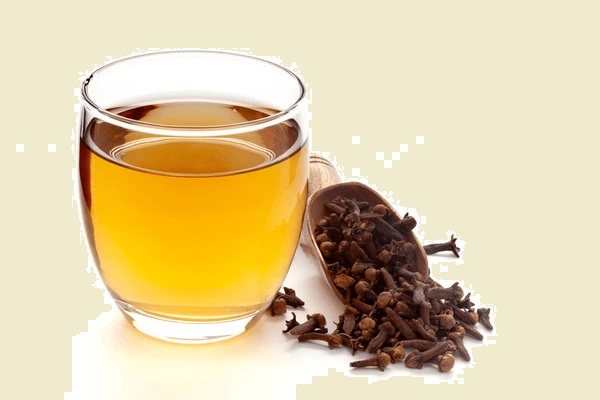
Cloves are nutrient-dense flower buds rich in manganese, vitamin K, and antioxidants (particularly eugenol), which offer anti-inflammatory, antimicrobial, and digestive benefits. They are commonly used to support immune health, improve digestion, and aid in respiratory wellness.
Here are several healthy, easy-to-make clove recipes:
Simple Clove Tea: Steep 3 to 5 whole cloves in 1 cup of boiling water for 5 to 10 minutes. Strain and drink warm, optionally adding lemon or honey for extra immune support.
Morning Clove-Ginger-Cinnamon Blend: Combine 4 to 5 cloves, ½ inch of fresh ginger, and 1 small cinnamon stick in 1 cup of boiling water. Simmer for 5 to 7 minutes, then strain.
Clove Water for Digestion: Steep 2 to 3 cloves in warm water for 10 to 15 minutes. This can be made in larger batches and sipped throughout the day for metabolism and digestion.
Warm Clove Milk: Simmer 2 to 3 cloves in 1 cup of milk for 5 minutes, then strain. This is used to aid sleep and improve immunity.