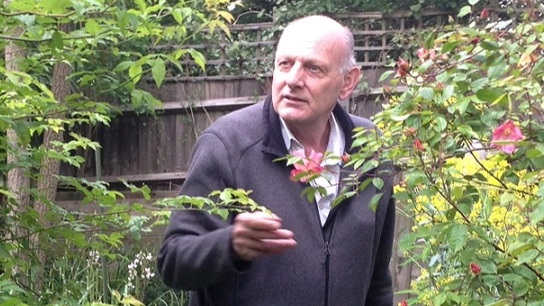
What a year we have had so far with the fifth heatwave now gone. Whether it is cyclical or man made, we certainly have a climate changing world.
We must change with it and accept what has been the hottest year on record.
Gardening is one small part of the equation, but we can all do our part in lessening the effects. Trees can provide at least 10 degrees less heat, but unfortunately in east London local authorities need greater imagination when producing a plan that will benefit all of us.
If you value having someone campaign on your behalf to protect the environment and having access to useful articles about gardening and local environmental matters, please make a donation to help us with the cost of maintaining The East London Garden Society.
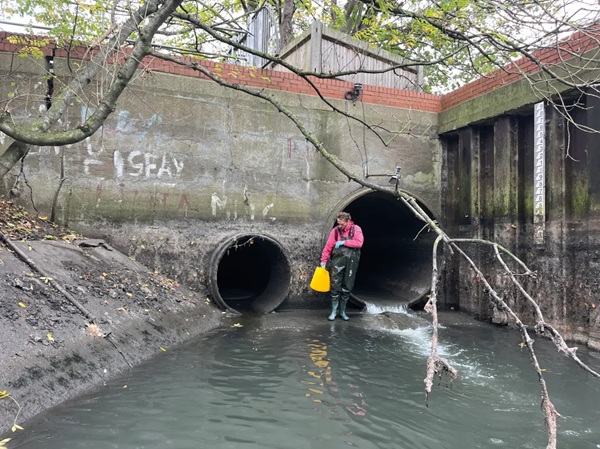
The Cranbrook in east/north-east London, flowing near Ilford into the River Roding, is a heavily polluted urban stream due to chronic raw sewage discharges, including an estimated 750 million litres of untreated sewage entering the system annually.
A major illegal sewage outlet near the Cranbrook discharges hundreds of millions of litres of raw sewage directly toward the River Roding every year.
The environmental impact is due to high ammonia levels (measuring 5 to 7 parts per million), floating mats of fat and mud, and widespread sewage fungus that has turned sections into severely degraded environments, often dubbed locally by campaigners, such as the River Roding Trust, as 'excrement island'.
Environmental groups have frequently criticized the Environment Agency and Thames Water over inadequate enforcement and rampant pollution. The East London Garden Society exists is to bring to notice tragedies that should not occur.
However, these tragedies decay our urban environment and authorities, which should manage our environmental heritage, often fail to do so. We all have to be aware of our environment before the loss is irreparable.
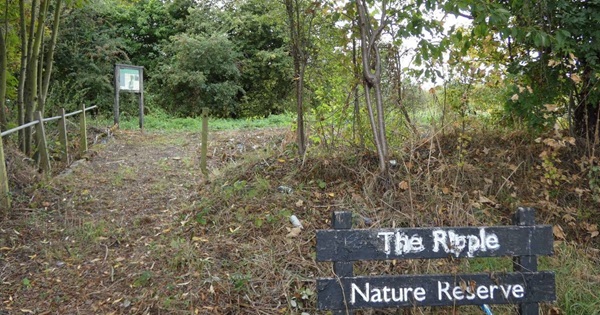
A campaigner fighting to reopen Ripple Nature Reserve in Barking, which was once a former wasteland for Barking power station, has welcomed a new council plan to restore it. Barking and Dagenham Council leaders approved the plan to signal the Council's intention to restore the reserve. However, the town hall says it doesn't yet have the money to put the plan into action.
Marion Hull, who has campaigned to reopen the reserve, said: "Getting the nature reserve open would be amazing." She described the reserve, in Riverside, as an oasis in a sea of concrete.
According to the council, tests found that asbestos levels were below ground, capped and posed low risk. However, the town hall says the site remained closed for various reasons following the pandemic. The Council also says it has had no money to restore or maintain the nature reserve since 2003.
On top of that, the Council has said that arrangements for the long-term maintenance of the site also remain unresolved. Council documents say: "The Council has no resource to manage a site of this size on a daily basis."
A local group is now being formed for the reopening of The Ripple Nature Reserve. For further information please contact The East London Garden Society.
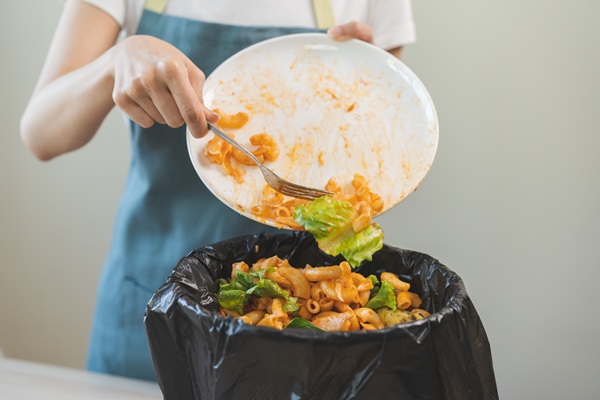
All local authorities are now required by law to provide a weekly collection of food waste. Many local authorities had dispensation for the introduction of the new law, but this is coming to an end.
However, many local authorities have no plan to implement the new law and appear to have no vision as to its benefit for the environment. A local authority is not penalised if they do not abide by the requirements of the new law.
The East London Garden Society looked into food waste recycling as a way to provide good compost for gardeners. When food waste breaks down to its nutrients, it is very good for the soil.
For several years we have been recommending the organic Aerobic System for waste recycling which is a relatively new process where organic waste can be transformed into a nutrient rich earth for immediate use.
Aerobic bacteria and fungi need a steady supply of oxygen to thrive and metabolize food waste. The process converts food scraps into nutrient-rich compost, carbon dioxide, and water. Unlike anaerobic breakdown (which lacks oxygen and creates foul-smelling methane), aerobic processes stay relatively odourless.
Common Aerobic methods for home composting, include piles or bins where kitchen scraps ('greens') are mixed with carbon-rich dry leaves or paper ('browns') and turned regularly to let air in.
Although we achieved a certain amount of credibility from the work we undertook, it appears that the answer from some local authorities is that they don't wish to comply with the law and improve the environment.
See how the Aerobic Digestion process works.
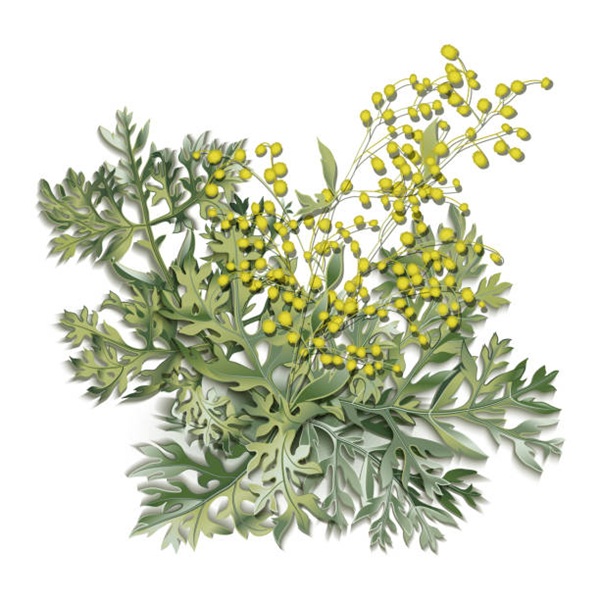
Absinthe was not always the devil in a bottle. The French name derives from the Greek absinthion, which the Greeks used not as an intoxicant but as a medicine. Typically made by soaking wormwood leaves (Artemisia absinthium) in wine or spirits, this ancient absinthe supposedly aided childbirth.
Hippocrates, often considered the first physician, prescribed it for menstrual pain, jaundice, anaemia, and rheumatism. Roman scholar Pliny the Elder describes chariot-race champions drinking absinthium, its taste reminding them that glory has its bitter side, a sentiment wholeheartedly embraced by later enthusiasts.
Absinthe is a high-proof, anise-flavoured spirit made from grand wormwood, fennel, and green anise. Originating as an 18th-century Swiss medicinal elixir, it became a cultural staple for 19th-century Parisian bohemians before a wave of moral panic and prohibition outlawed it for nearly a century.
Wormwood extracts were used in ancient Egypt and Greece for healing, but the modern spirit emerged in Couvet, Switzerland, in the 1790s. Major Daniel-Henri Dubied and his son-in-law Henri-Louis Pernod opened the first large-scale Pernod Fils distillery in Pontarlier, France, in 1805.
French troops used absinthe as a malaria preventative in Algeria, bringing the habit home. When a devastating pest crisis ruined European vineyards in the 1860s, wine became scarce and expensive, sending absinthe popularity soaring.
Writers and painters like Vincent van Gogh, Oscar Wilde, and Ernest Hemingway embraced the ritual of pouring water over a sugar cube into the green liquid, dubbing the drink la fée vert.
Temperance groups and wine makers blamed the spirit for violent crimes, most notably the 1905 Jean Lanfray murder trial in Switzerland, claiming that the wormwood chemical thujone caused madness and epilepsy.
Switzerland banned absinthe in 1910, the United States in 1912, and France in 1915, leading brands like Pernod to pivot to pastis. Modern science proved that historical absinthe contained safe levels of thujone, leading the European Union and the US to re-legalize production and sales by the early 2000's.
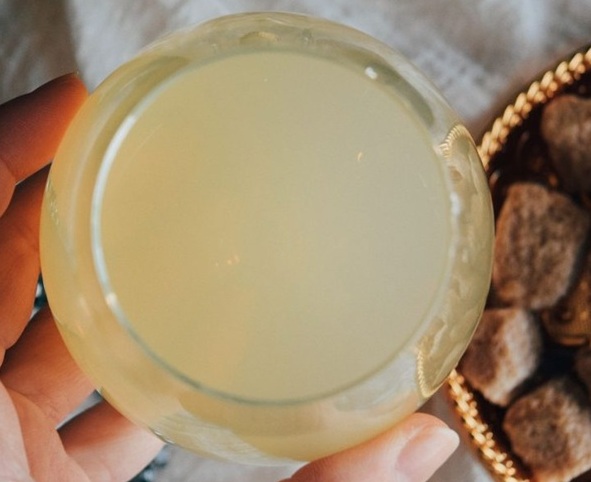
In your desired glass, pour 1 ounce absinthe. Place the slotted absinthe spoon over the rim of the glass and set.
Using an absinthe fountain or water carafe, slowly pour or drip about 6 ounces of ice-cold filtered water over the sugar cube into the glass.
When the sugar cube is dissolved and the mixture is completely cloudy, the drink should be ready. Stir, taste for strength and sweetness, and adjust with more water or sugar if necessary.