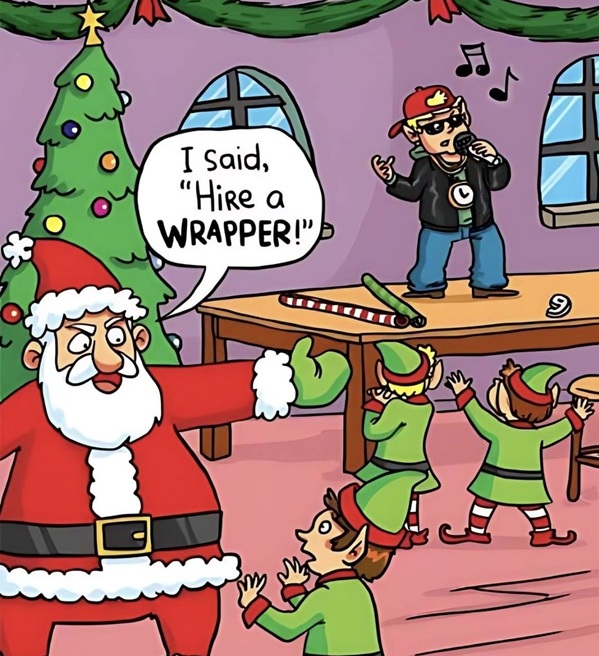
It’s Christmas once more and The East London Garden Society has been in existence for 14 years during which we have had highs and lows.
We are now established as a voice for the local environment, and we intend to carry on as long as possible.
During 2025 we have seen Tower Hamlets Council prepare the introduction of the Aerobic Method of organic waste recycling, and us embarking on producing an app for the parks and gardens of east London.
In 2026 we hope to provide another free boat travel to the nature reserves, as well as officially launching The Great Eastern Parks Route as a viable travel way through east London to the bird Sanctuary at Purfleet.
We also want to explore the northern direction of The Great Eastern Parks Route toward Ware in Hertfordshire.
The East London Garden Society is the only group with a clear remit for the total urban environment in east London, so we look forward to continuing that in 2026.
To do so requires money, so If you value having someone campaign on your behalf to protect the environment and having access to useful articles about gardening and local environmental matters, please make a donation to help us with the cost of maintaining The East London Garden Society.
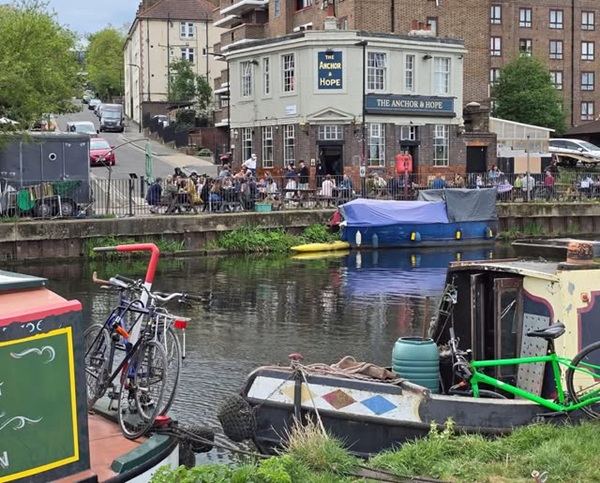
The Great Eastern Parks Route would not have been created without the means to place a forest on top of the disused railway arches at Bishopsgate in central London, extending nearly one mile in length.
Having won the battle to persuade the developers of the advantages of such a park in central London, we then looked further east, finding that we could walk without the modern world influencing our travel. In fact we could go as far east to the RSPB bird sanctuary in Purfleet, and we could also traverse north to Ware in Hertfordshire.
After leaving The London Highline we connect with another disused rail viaduct through to Meath Gardens, we then have a choice. Advancing directly south following The Regents Canal to Limehouse or going west we could follow the Regents canal to Paddington and beyond.
However, being The East London Garden Society, we go east through Victoria Park to the River Lea. On reaching the River Lea we can travel north to Ware in Hertfordshire, or east.
Travelling east we walk south toward the River Thames, reaching Three Mills, the oldest working mill in London. At Three Mills we turn left looking for a forgotten river; the Channelsea River.
Going onward we reach The Greenway which takes us through to Beckton in the London Borough of Newham. At the River Roding we stop before proceeding to the end of our journey through the London Boroughs of Barking & Dagenham and Havering, travelling alongside the River Thames to Purfleet. So, we begin in Hackney and travel through Tower Hamlets to Essex.
In one way the route could be akin to the river Amazon with its tributaries, since along the way we can leave The Great Eastern parks Route at any time to further explore the history and nature of London in the east.
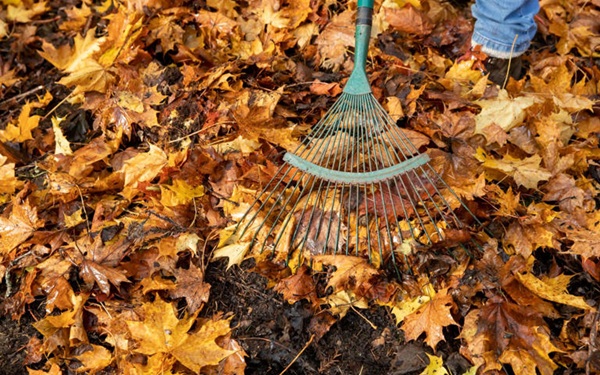
As the leaves fall this autumn, you can do your bit for wildlife without forgoing your love of a pristine, tidy garden.
If you provide leafy food, shelter and safety to keep the wildlife food chain alive during the cold months, come the warmer weather, your trees will ring with birdsong, your pond will erupt with amphibian frolics, and your flowers and produce will flourish, courtesy of an abundance of pollinators and an army of pest predators.
Clear leaves from paths and drives where they pose a slipping hazard and look unsightly, and move them into hidden, less obvious spots, such as behind sheds, under hedges or at the back of borders.
When you are clearing heaps of leaves, check first that something is not already hiding inside. For example, there might be hibernating hedgehogs, sheltering mice, or dormant frogs, toads, slow worms and newts.
Many of these creatures are already under pressure from loss of habitat and are rapidly dwindling in numbers, so the more we can help them the better. In return hedgehogs, frogs and toads, which bring real fun to a garden, will eat lots of your pests, including slugs and snails.
In addition to mammals and amphibians, the leafy homes will harbour insects that are in a period of suspended development such as fireflies, butterflies and moth larvae. There will be detritivores, such as woodlice and beetles, which play a vital role in breaking down the leaves by feeding on the decaying matter and in turn provide meals for birds, toads, frogs and spiders.
To cater for a wide range of creatures, locate the piles in different areas so that some keep dry and warm in sunnier spots, and others are in a damper, darker corner. Garden birds need to be able to root through leaves to find seeds, worms, grubs and insects to keep them alive.
Use leaves on beds and borders as a mulch to lock moisture into the soil and keep plant roots warm over the winter, as it decomposes over time it will enrich your soil. The mulch also provides a home for insects and food for birds.
This isn’t a war between people who like nature and those who prefer tidiness. For those few weeks when there’s a carpet of leaves, accept that they are part of nature’s cycle, so work with it and make good use of them.

Hurrah! It's official. Sign, sealed and delivered.
Rivers, lakes and beaches will be cleaner and wildlife better protected as the Government has brought in a new law to ban the sale of plastic wet wipes. This marks a major step forward in tackling plastic pollution which devastates our waterways.
Chris Coode, CEO at environmental charity Thames21, said: "Thames21 welcomes this fantastic news. This vital move is a crucial step towards protecting the health of our rivers, as it will reduce the introduction of microplastics into the environment.
"Thames21 and its dedicated volunteers have been building evidence through our work on the River Thames for many years. A huge shout-out to Thames21’s volunteers and partners for their persistence."
Although this is brilliant news, we realise that this is not the end of the story. We would still like to see more systemic change to tackle the issue of plastics entering the environment via wet wipes and other sanitary waste.
By working together, we can achieve great things for rivers, wildlife and people.
Read the full press release from the Department for Environment, Food and Rural Affairs (Defra)

The history of mistletoe spans ancient Druidic, Norse, and Greek cultures, where it symbolized fertility, vitality, and protection. The modern tradition of kissing under mistletoe is linked to a Norse myth where the goddess Frigg declared it a symbol of love after her son Baldur was resurrected.
This evolved into an 18th-century English custom and became more widespread through 19th-century literature, eventually becoming the Christmas tradition known today.
The Celts and Druids considered mistletoe, especially oak mistletoe, a sacred and magical plant. They believed it had the power to cure sterility, counteract poisons, and protect against evil spirits.
In Norse myth, Baldur was the god of light, beauty, and joy. The trickster god Loki learned that mistletoe was the only thing that could harm Baldur and used it to kill him. After Baldur was resurrected, Frigg (the goddess of love), declared mistletoe a symbol of love and vowed to kiss anyone who passed beneath it.
The Greeks considered mistletoe a symbol of fertility. In a Greek myth, the hero Aeneas used a branch of mistletoe to enter the underworld and speak with his father.
In the 18th century the tradition of kissing under mistletoe gained popularity among servants in England. At the time, a man could kiss any woman beneath the mistletoe, and a berry was plucked with each kiss until the berries ran out.
Mistletoe evolved the ability to grow not on the roots of trees, but on their branches. In doing so, they gained the same nutrients, water and sugars stolen by their ancestors, but they also gained a foothold up into the sky.
As trees clambered for the sun, the mistletoe simply rode up on their branches, living off both the trees’ nutrients and the energy mistletoe could gather itself from the sun.
Chance and wind were not enough for the offspring of mistletoe to find new trees, but the mistletoe had more than chance, it had natural selection. The mistletoe evolved seeds surrounded by berries. The berries attracted birds. The birds ate the berries and then flew to find more food.
As they flew, or better still, when they landed, they pooped. If everything went perfectly for the mistletoe, the poop landed on a branch where the seed might germinate.
Use your Christmas dinner leftovers with this ingenious pie from leftover turkey, parsnips and sprouts topped with roast potatoes.